Feeds:
Posts
Comments

Posts Tagged ‘Amy Campion food’

Of activity, that is.  (The real flurries are more like blizzards, falling on friends and relatives all up and down the east coast.)

But life here has been moving so fast, and what do I have to show for it? No photos of food, anyway.  The food has disappeared before the camera reached it.  Friday night they served latkes with dinner, and many of us ate three or more.  They were just so good!  Crispy crunchy on the outside, soft and hot on the inside, potato goodness throughout.  Our Saturday lunch was another bonanza of flavors.  The risotto, in particular, was impossibly delicious.  Lemony, smooth, perfectly toothsome.  That evening, yesterday, we hosted a pizza party.  Twenty or so friends filled our living room, bringing beer, wine, chocolate, good stories and loud laughs, and I somehow managed to keep serving hot pizza in defiance of the size of our oven.
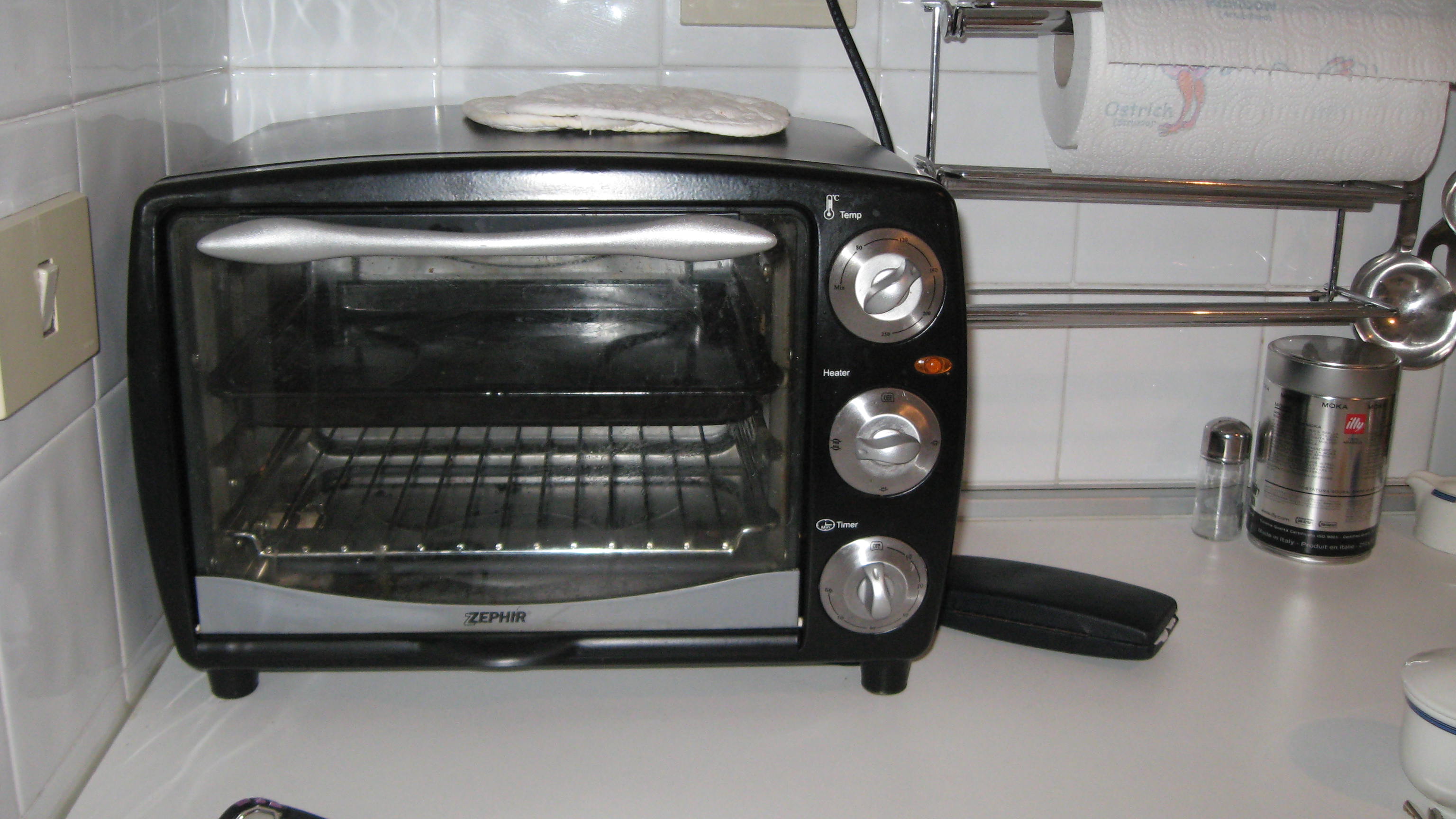
(I’ve actually done some roasting, baking, and pizza making in it.  My grandma used just a toaster oven for years….)

The pizza came from our local favorite, Pizzeria da Simone.  People are constantly coming in and out of this pizzeria on Via Carini, at all hours of the day.  Pizza rossa for breakfast?  No problem.  We got a whole range of toppings last night: zucchini blossoms and anchovies, sausage with cheese, sausage with mushrooms, spicy sausage with tomato sauce, mushrooms with tomato sauce, prosciutto with cheese, mortadella with artichoke hearts.  It was all devoured before I thought to take a picture.  I love Roman style pizza.  The crust is like what we’d call flatbread, but isn’t completely flat, and the toppings are combined in moderate twosomes or threesomes.  None of this deep dish everything nonsense.  (How will we ever reacclimate?)

This morning, Peter and I, along with Ramie, Rena, and Lisa, ran the 10K “Christmas Run” in Villa Pamphili.  The scene was a fascinating cultural tableau.  We were some of the only Americans in the crowd of 400.  The race was set to begin at 9:30, but the organizers and pace-setters lingered in the cafe adjacent to the “Punto Jogging” for an extra 15 minutes of leisurely cappuccino sipping.  Finally, after we had been jumping up and down in the 28-degree air (that’s Farhenheit!) waiting, the pace-setters, who wore color-coded balloons, took their places and the race got off to a silly, stumbling, good-hearted start.  Some of the runners, being typical Italians, talked the whole while.  Except on the uphills.   The course, like the balloon-following, was whimsical, winding through forest on narrow, muddy trails, and up grassy hillsides sparkling with frost, past fountains and the chestnut-lined avenue on this awesome piece of land that until recently was a massive chunk of private property on one of the prettiest hills in Rome.  I ended up running in a pack of middle-aged men, who were yelling and laughing to each other the whole time, (Ciao, bello!  Buon Natale!  Attenzione! along with much commentary on the mud puddles) and one other woman, who wore a set of red antlers.  Some people were dressed up as Babbo Natale (that’s Santa to you) and many wore the elf hats they gave us at registration.  It was a fun-run with decidedly Italian inflections of the good life: the cafe at the finish was mobbed with sweaty people sipping espresso, talking loudly, and gesticulating heartily.  The men wore tights, and the women’s black eyeliner was unmussed.

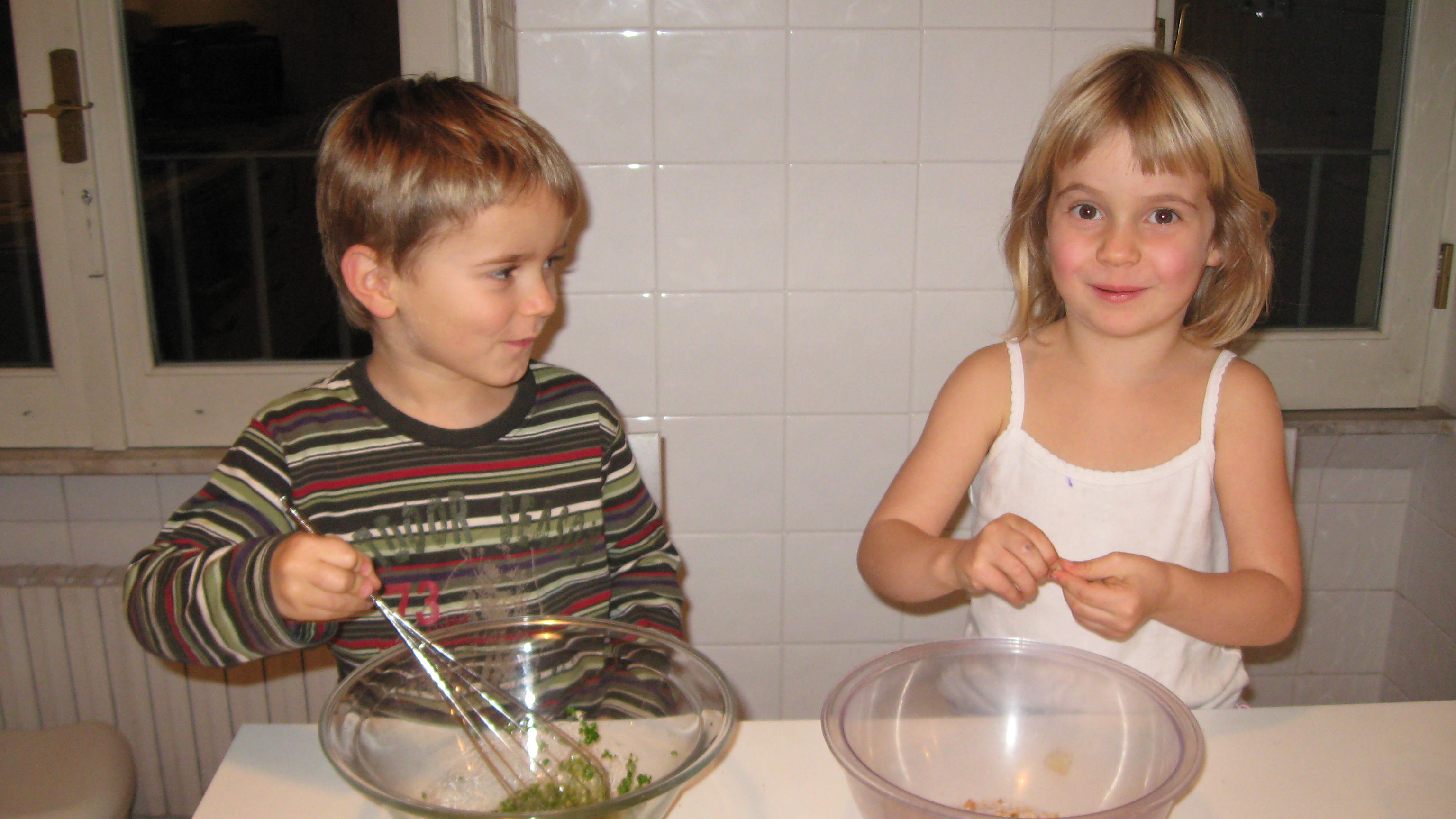
Back home, Peter and I polished off the leftover pizza, and I cooked some pasta for these elves:

Read Full Post »

In the past two days I’ve been to two good old Roman basic restaurants that served delicious meals and a whole bunch of good old Roman basic tourist spots. (My parents are visiting.)

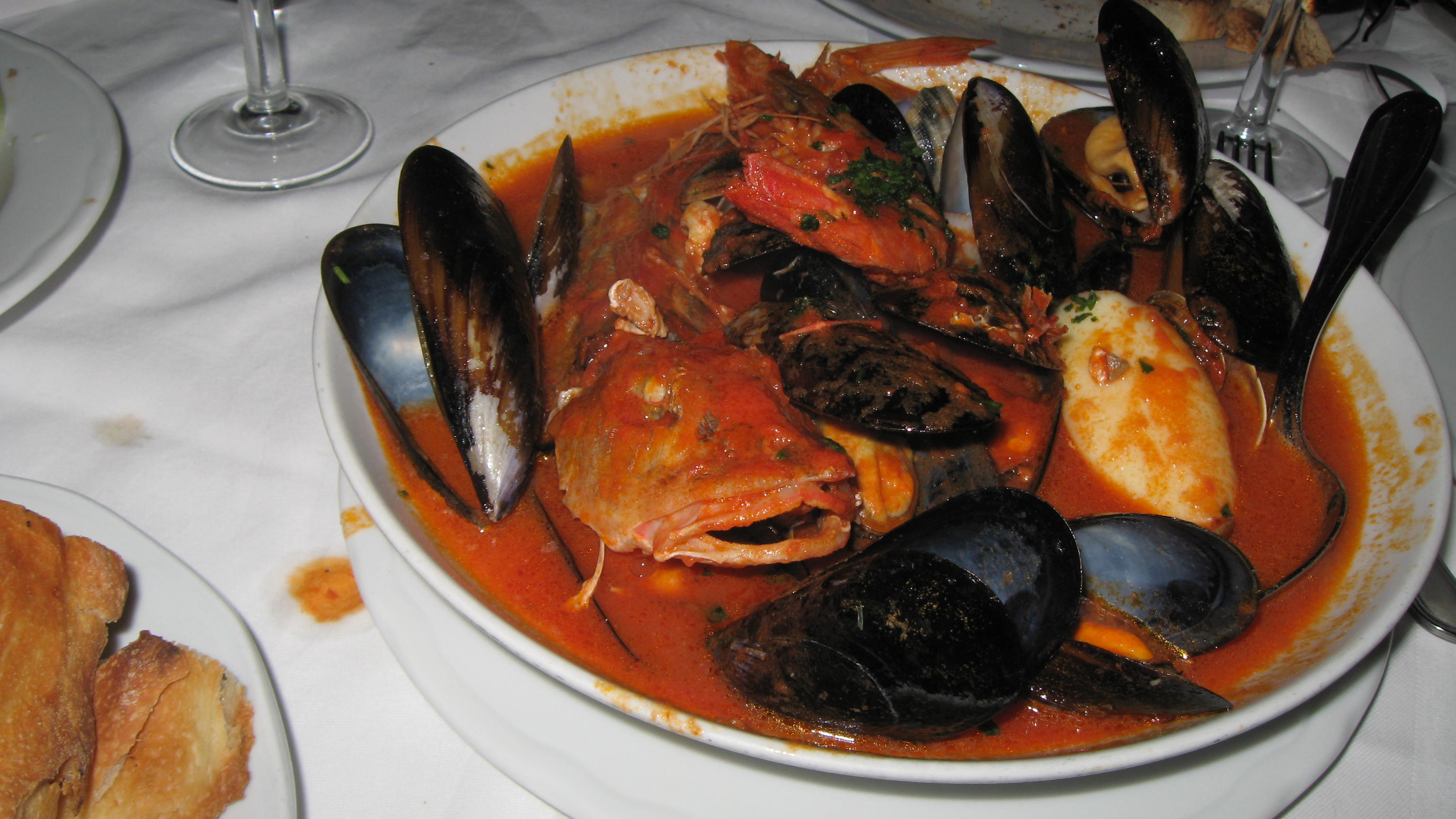
Last night: Il Galeone, in Piazza San Cosimato, just down the hill from us: either take the bus down the S-curves of Via Dandolo, or take the path through the grass to the two twisting staircases.  It’s one of those places that you really can’t judge from the outside.  Does it just look authentic, or is it really good?  I wouldn’t have tried it without the recommendations of numerous friends, who all said to order the fish soup.  OK.  But what do they mean by “mezzo” (half)?  Here’s what:

These sea creatures have as much dignity in this dish as the octopus wrestling with  Neptune in Piazza Navona:

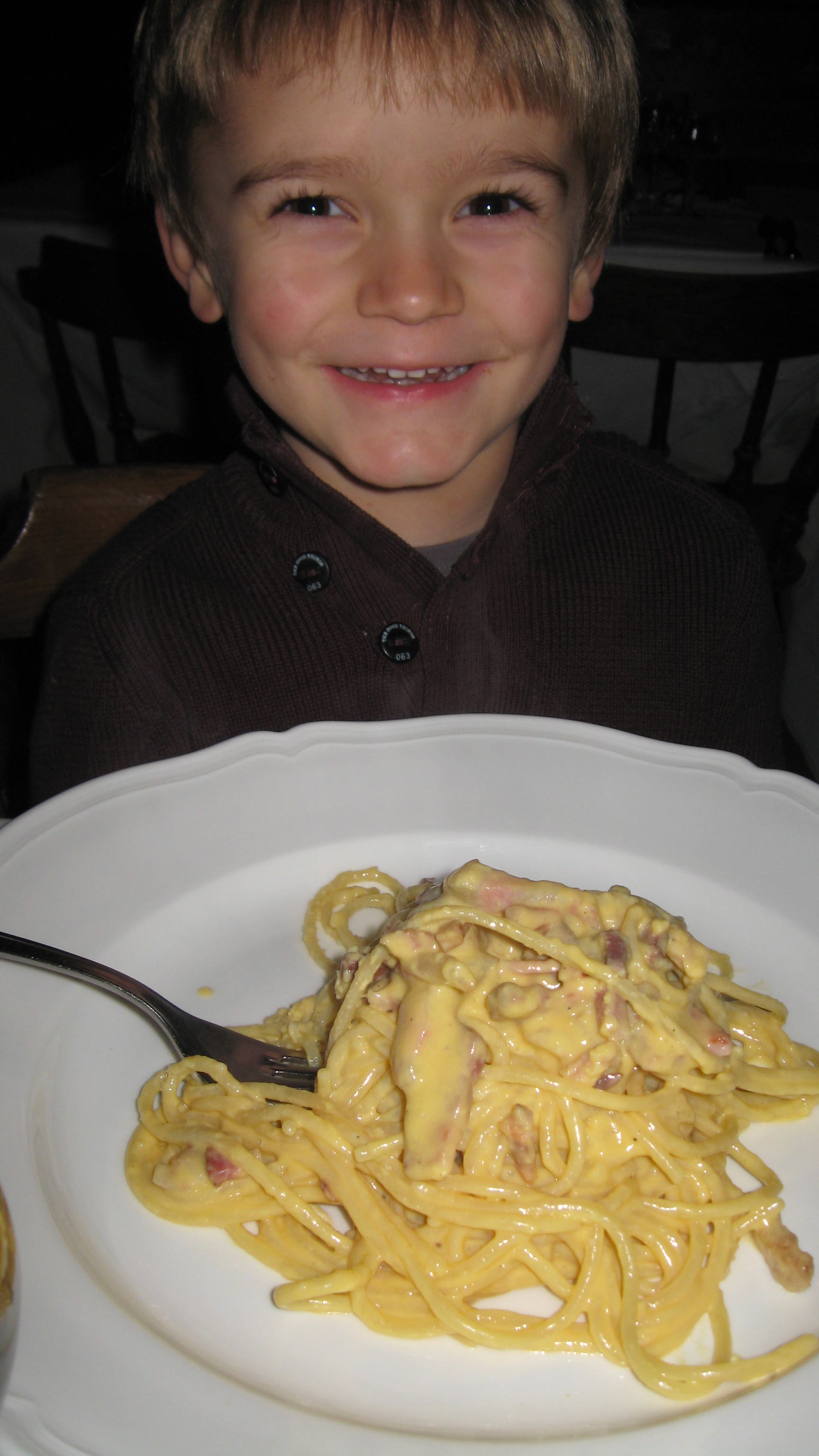
Other fun things about this restaurant were the service—or was it just that the gentleman loved Jack, who ate a lot of spaghetti carbonara?

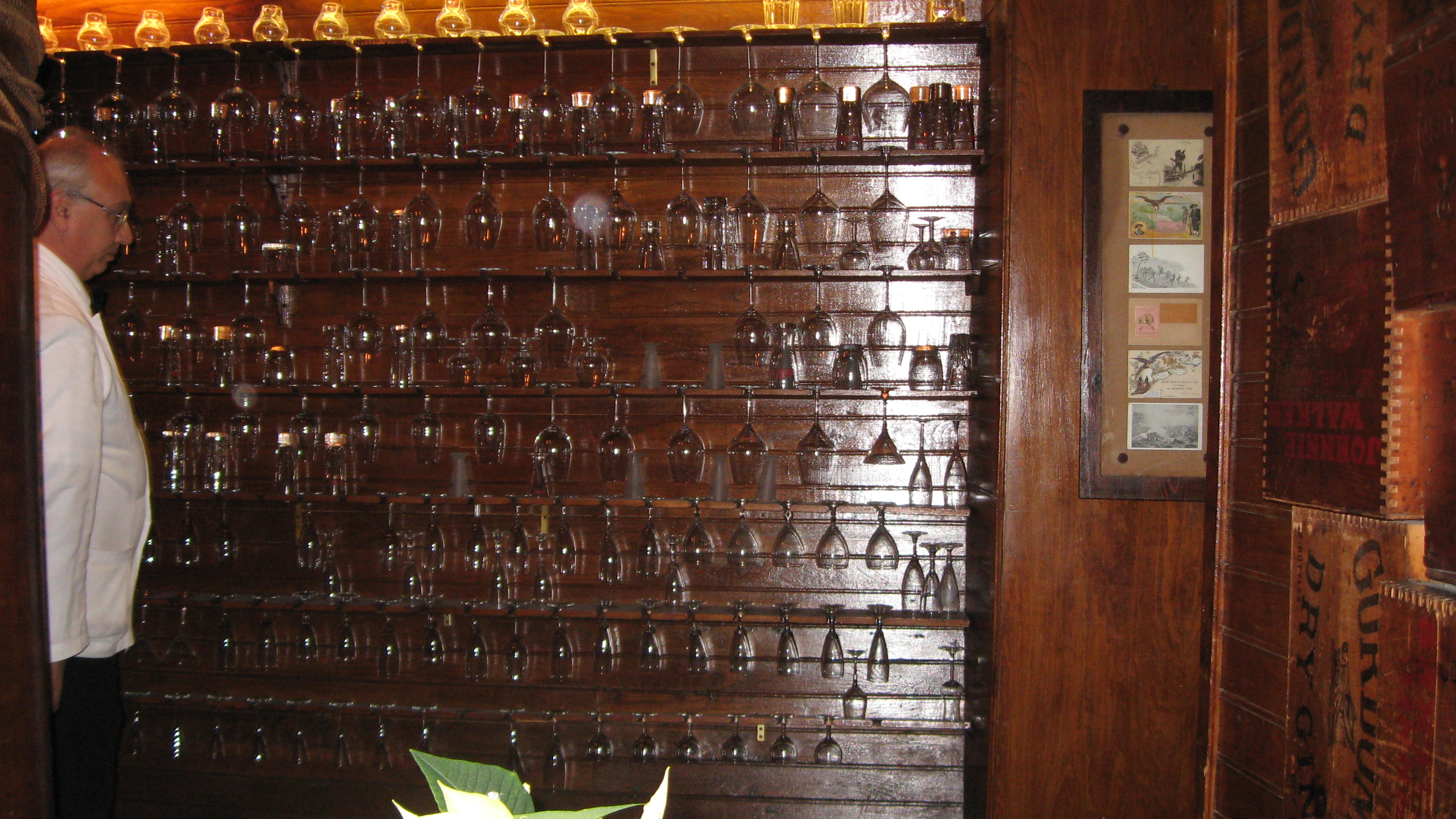
—or was it that he made a show of choosing the right glasses for the low-price-range vino rosso we chose?

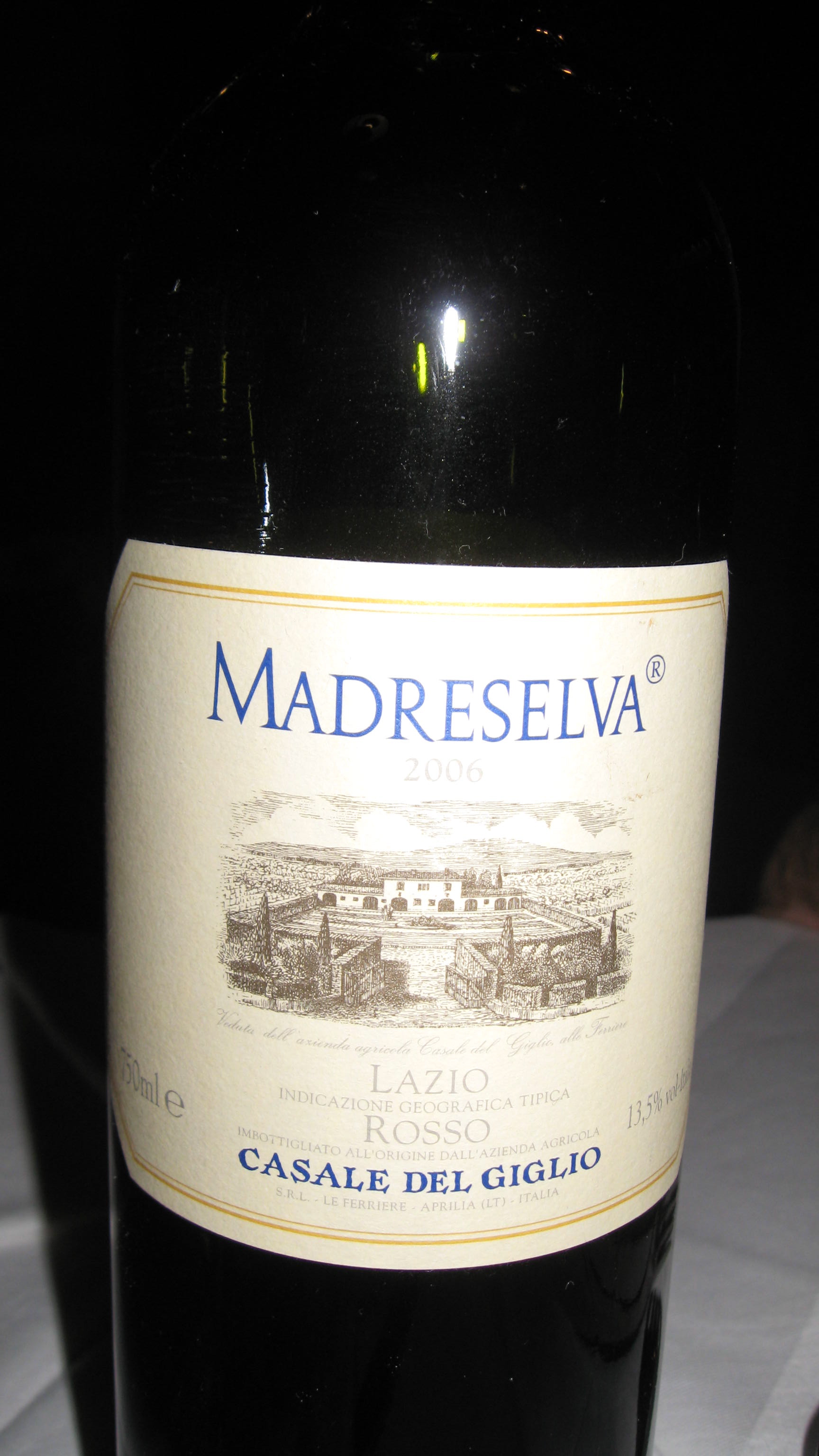
(which turned out to be quite good.)

And the walls in our dining room, made of old liquor boxes, as if they were packed in a ship’s hold:

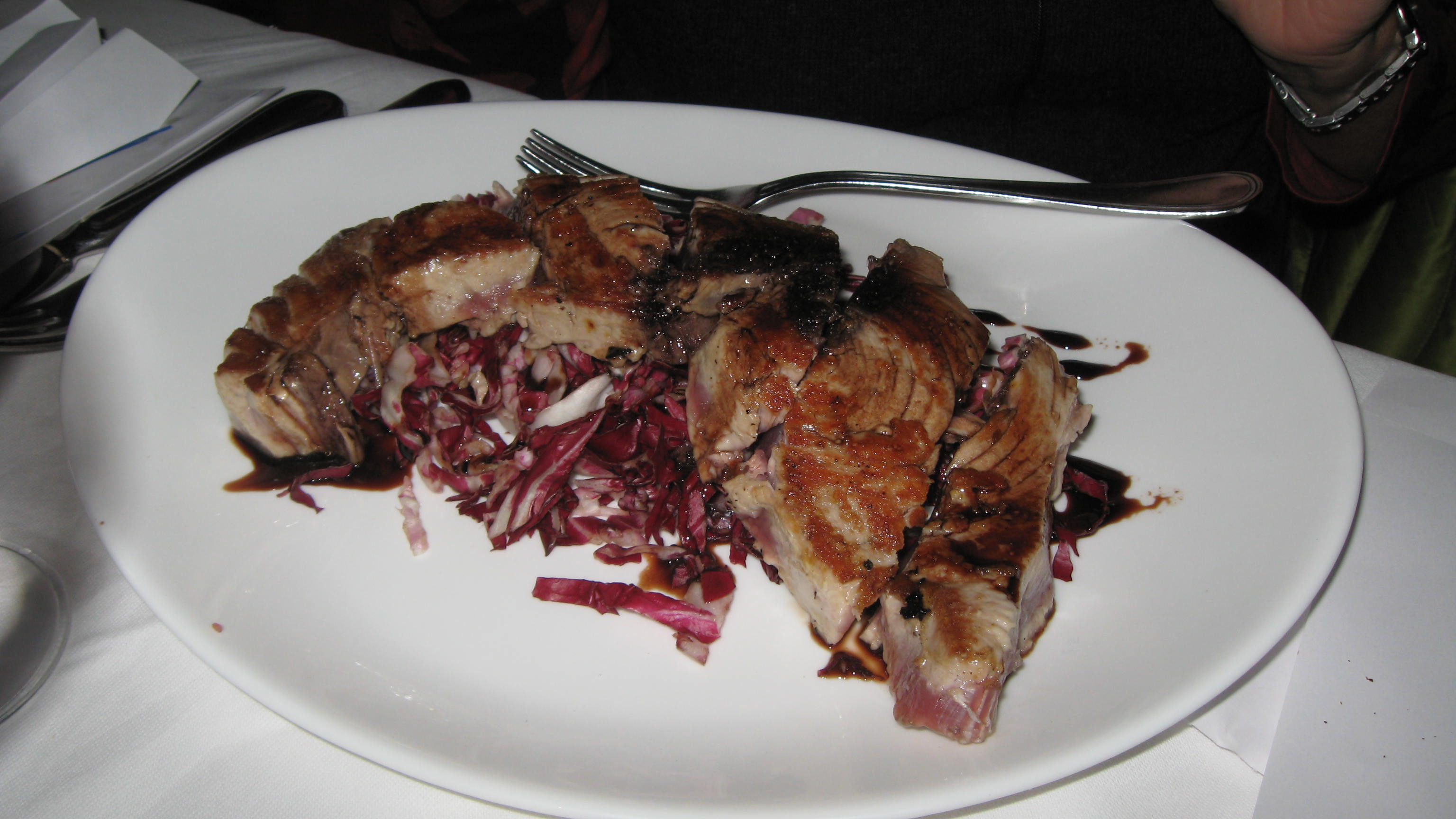
The tuna, before and after:

The coziness:

And the walk home past the Fontana di Aqua Paola:

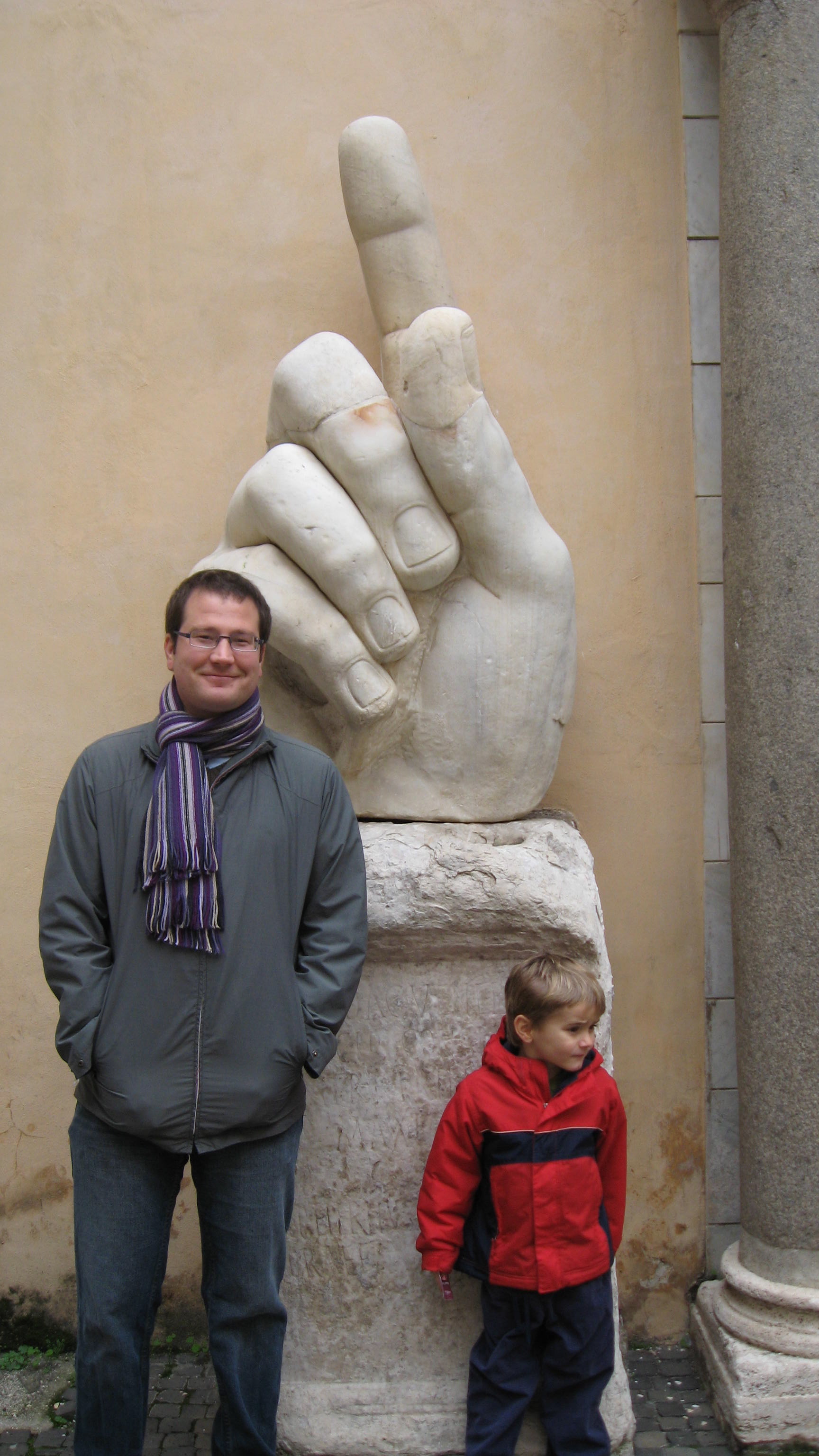
This meal topped off a day of serious ancient-Rome tourism.  We went to the Capitolino, and saw Constantine’s giant digits, Diana of Ephesus’s many breasts, and Hercules’s manly pecs.

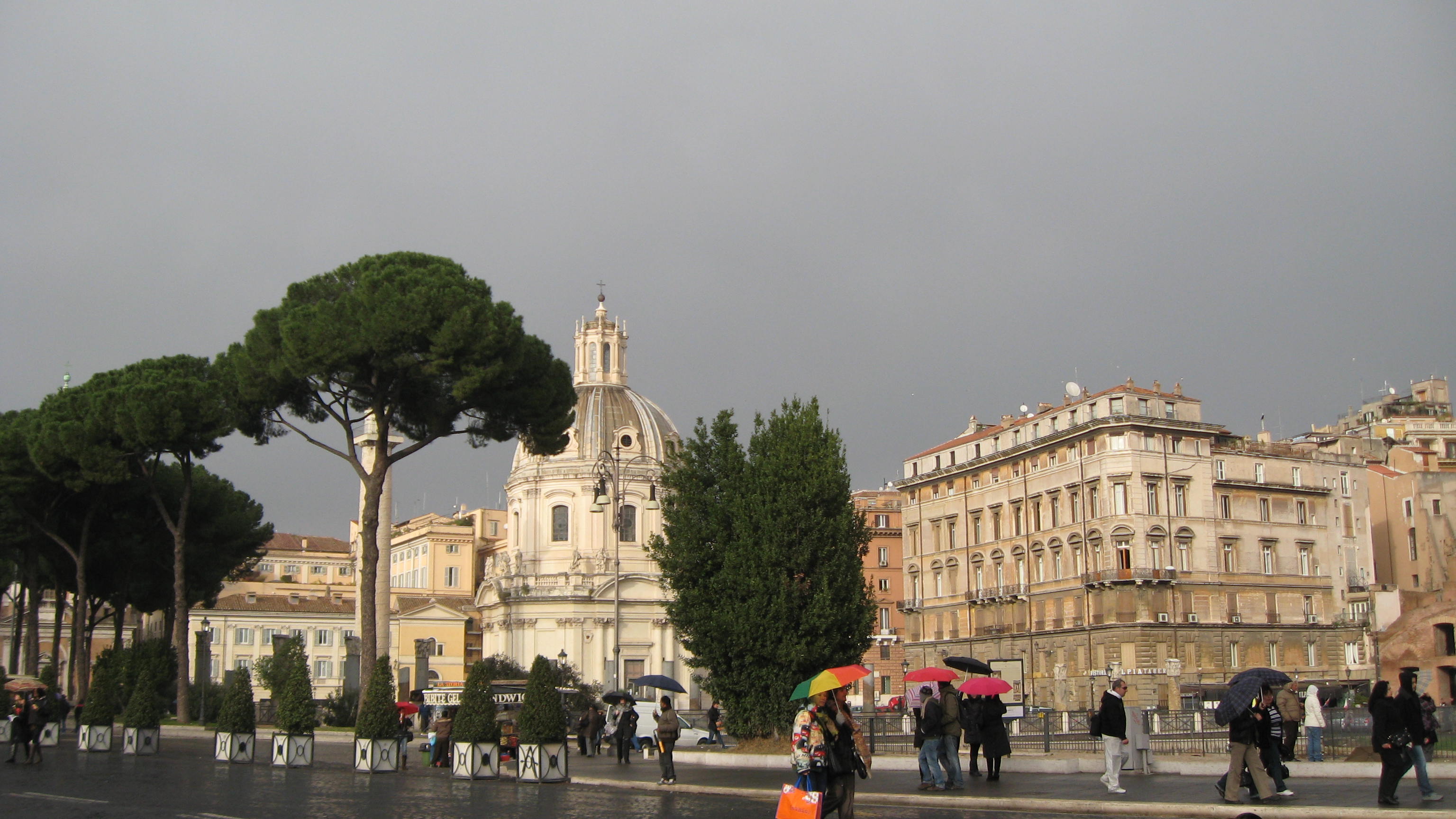
We also saw the Forum and waited out a rainstorm.

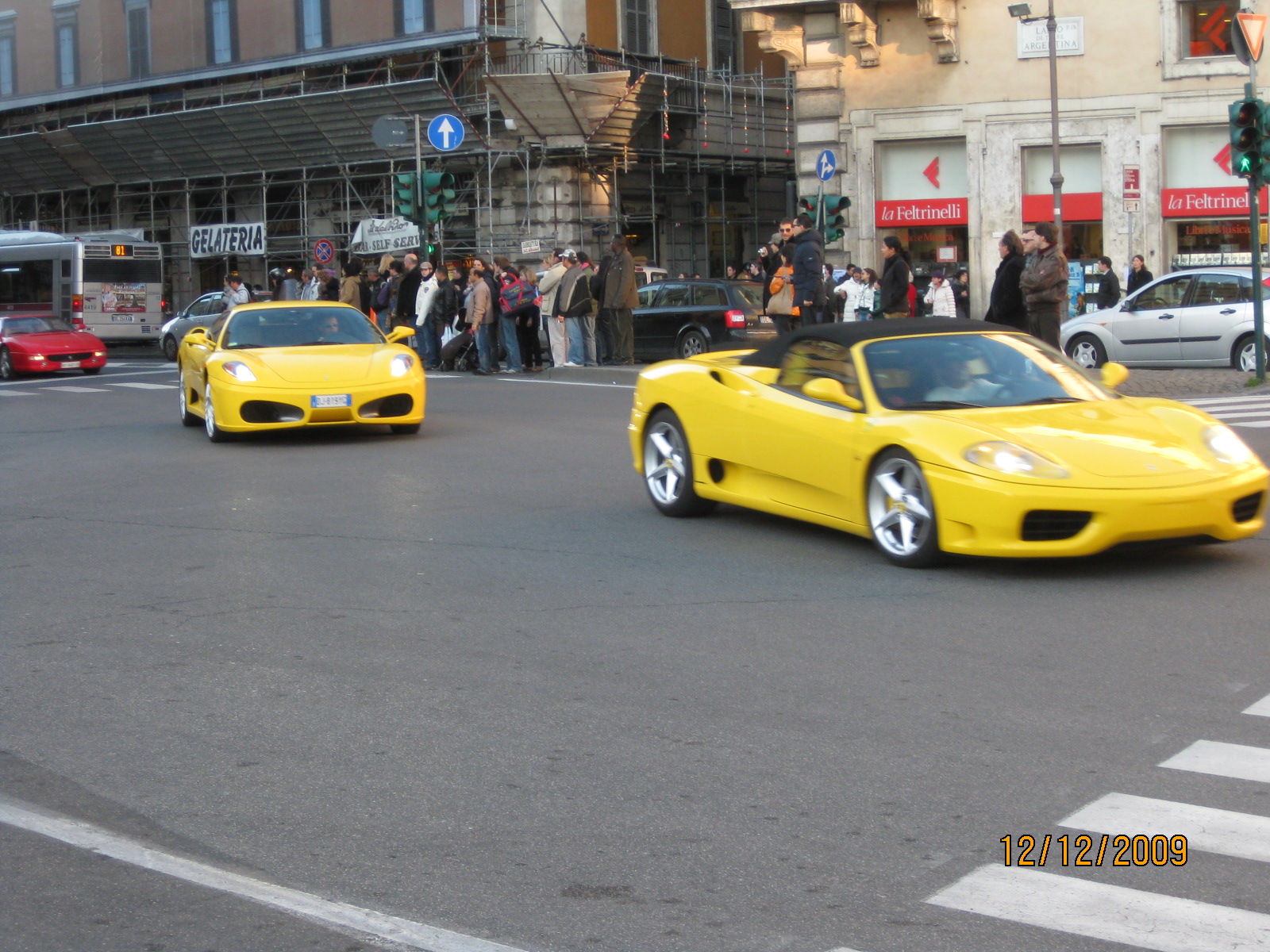
And we happened upon a Ferrari parade.  Holiday sale?

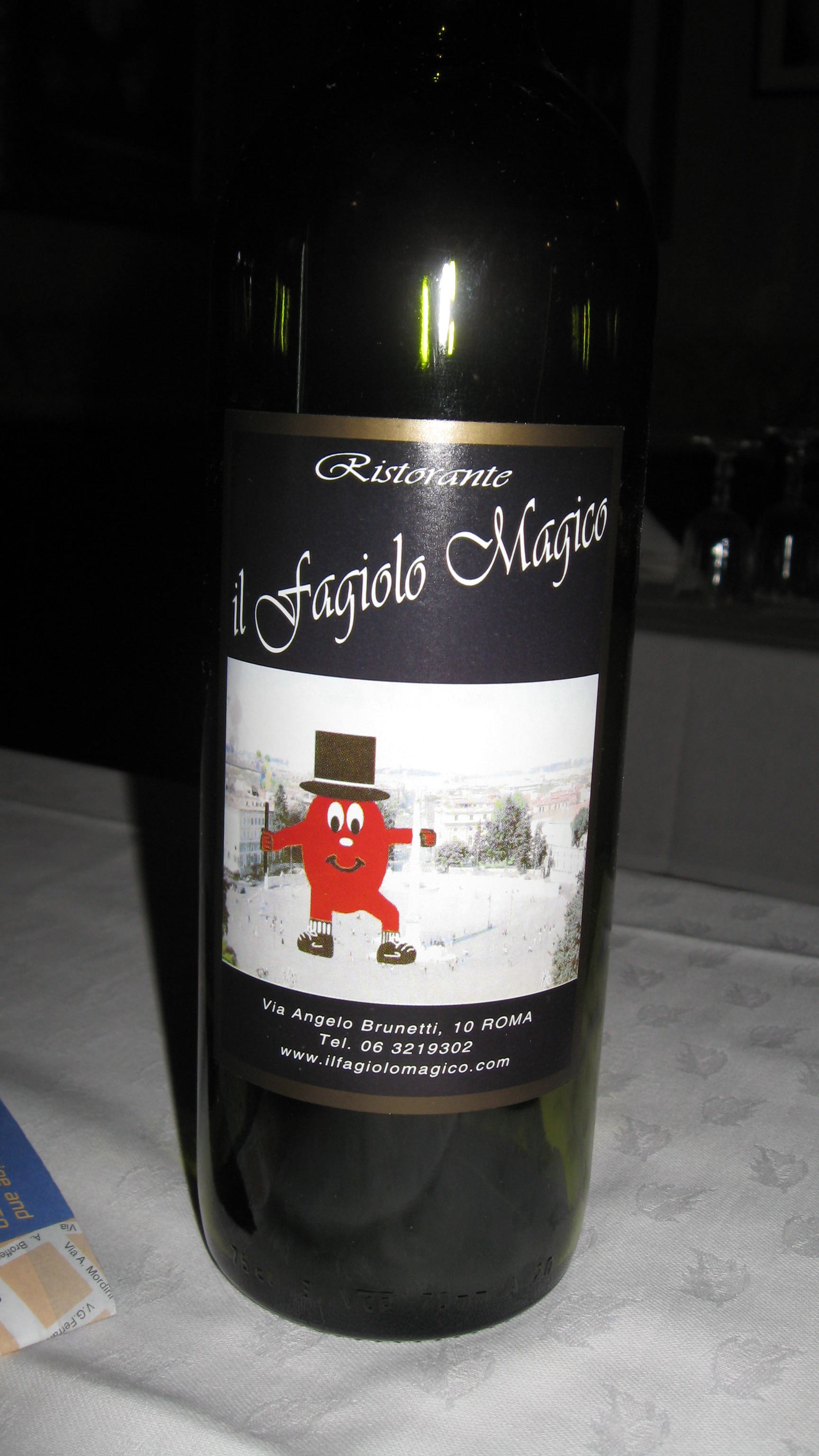
That was yesterday.  Today, we did the Vatican Museum, Via Cola da Rienza, Piazza del Popolo, Via del Corso, Piazza di Spagna, the Trevi Fountain, and more, in the rain. We found a warm spot and a surprisingly delicious lunch at Il Fagiolo Magico, (the magic bean) off of Via del Corso.  I had pasta cacio e pepe—cheese and pepper. The consistency is hard to get right, but they did it.  Very restorative with the vino rosso della casa on a damp day.

Read Full Post »

Last night’s dinner was a celebration.  The meal marked the inauguration of the American Academy in Rome as a Slow Food Terra Madre Community.  Terra Madre is a network of food producers, purveyors, artisans, and consumers committed to making food sustainable for human economies and communities and for the planet.

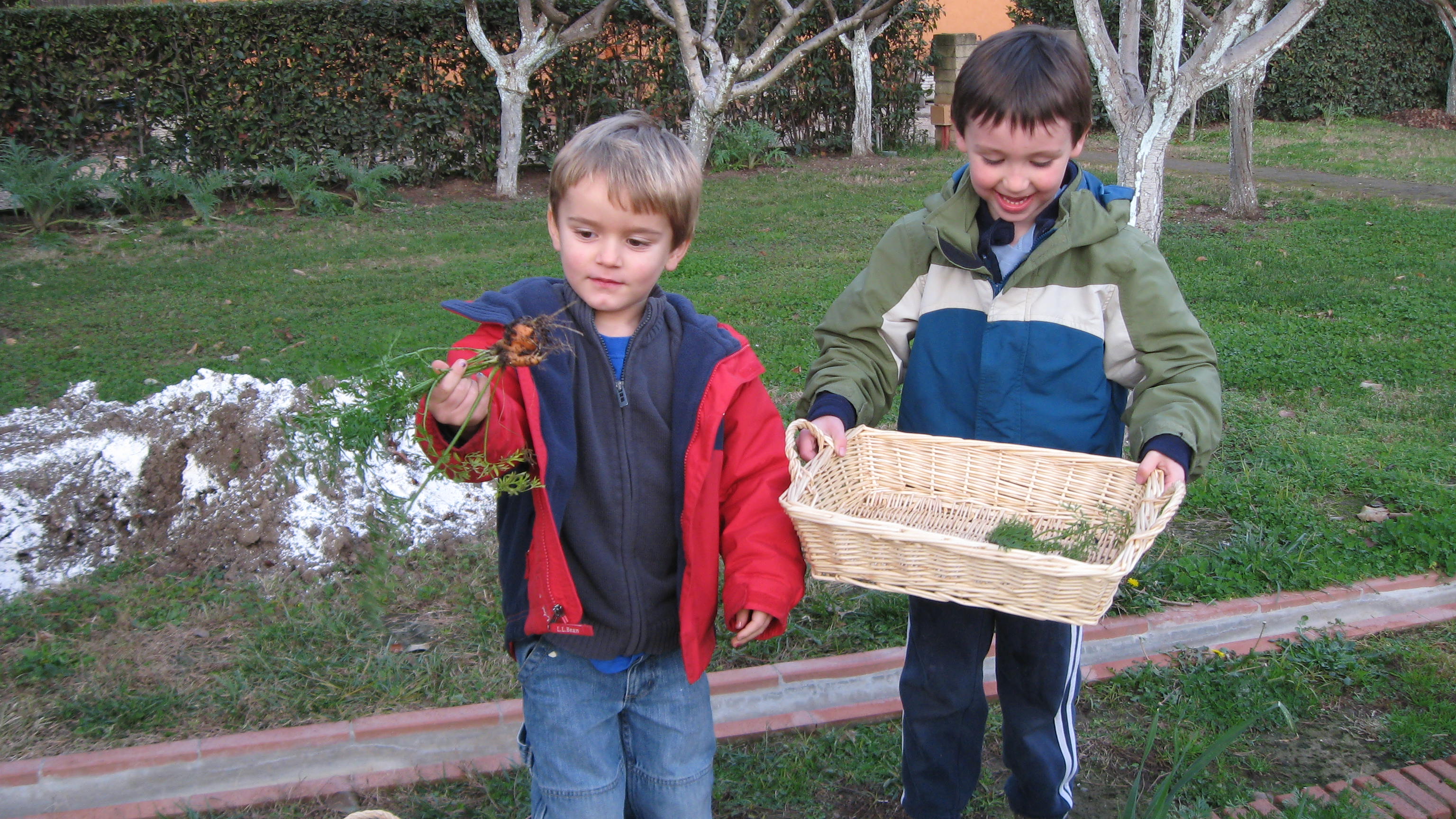
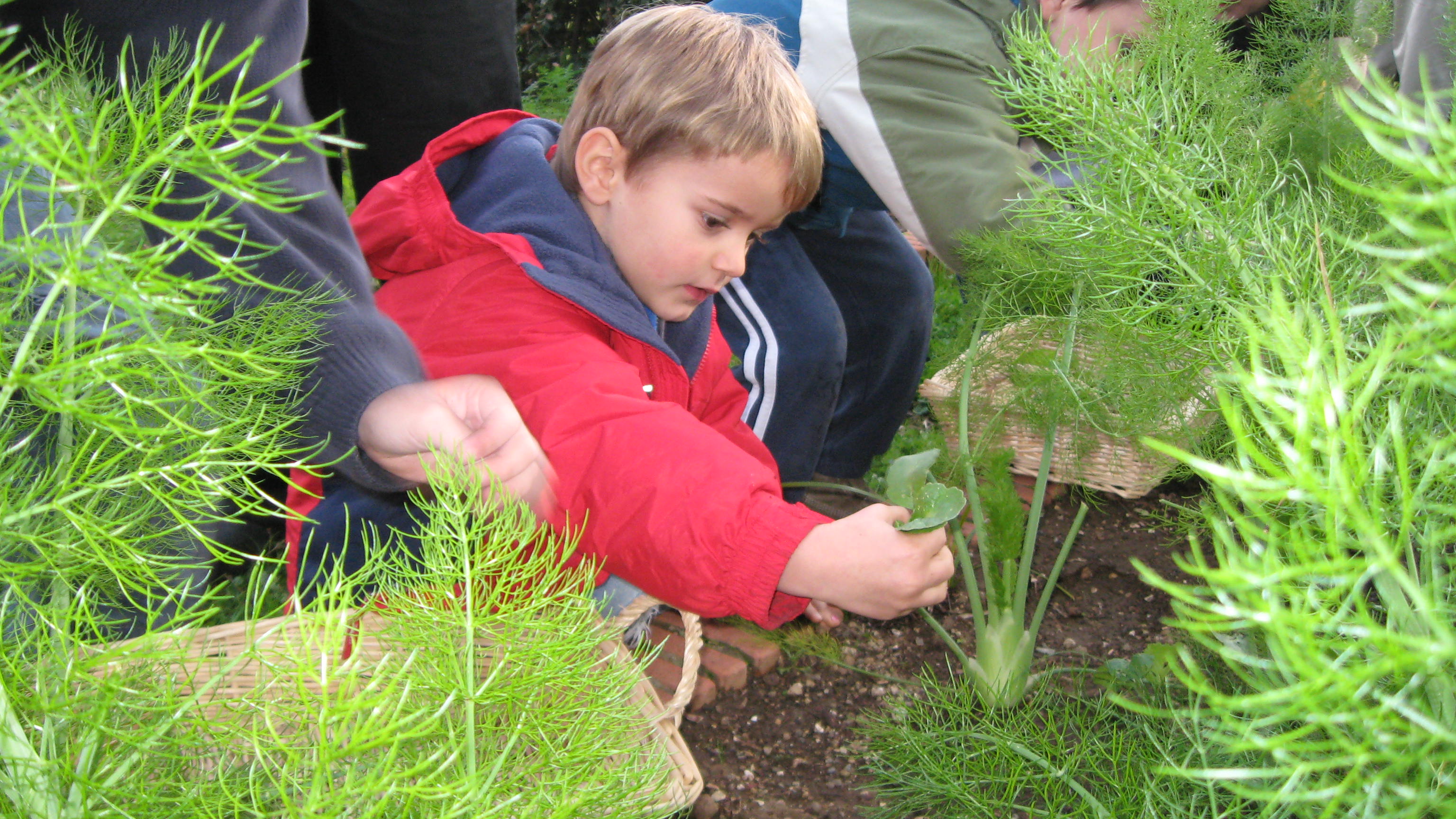
The event started at 4:00 in the afternoon with the children.  First, they all went out to the garden to gather carrots, radishes, and fennel for what turned out to be a radically simple salad of these three vegetables washed and simply sliced, with no accessorizing flavors or sensations.

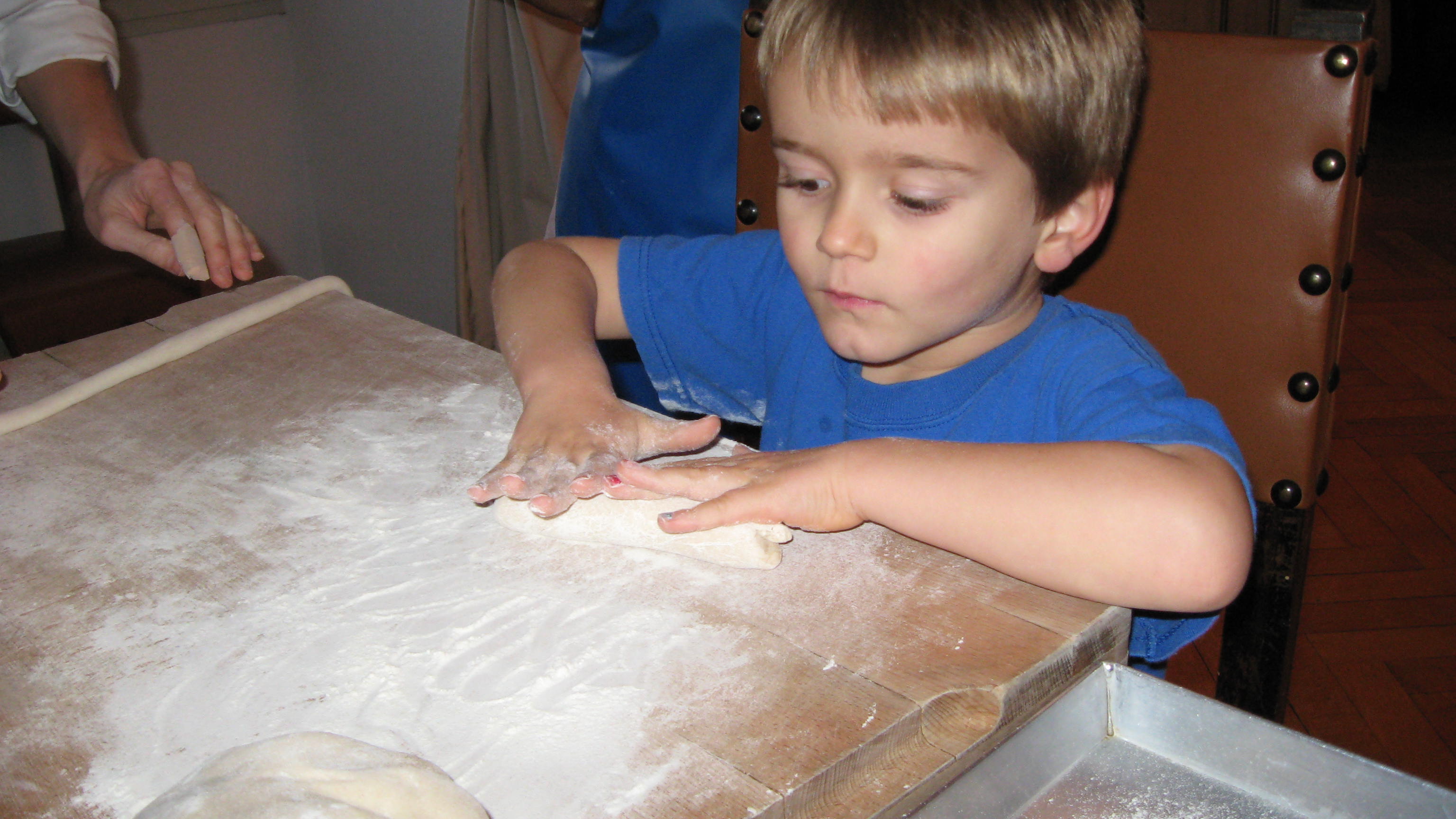
After that, the children followed the kitchen interns to one of the dining room tables, where a half dozen large cutting boards had been dusted with flour and set up with a ball of dough.  The task: to make orrechiette, or little ear-shaped pasta.  It was an interesting display of manual and cognitive development.  The 2-4-year-olds loved the feeling of dough in their fingers; they were happy to manipulate the soft irregular shapes, and completely disregarded the goal of shape.

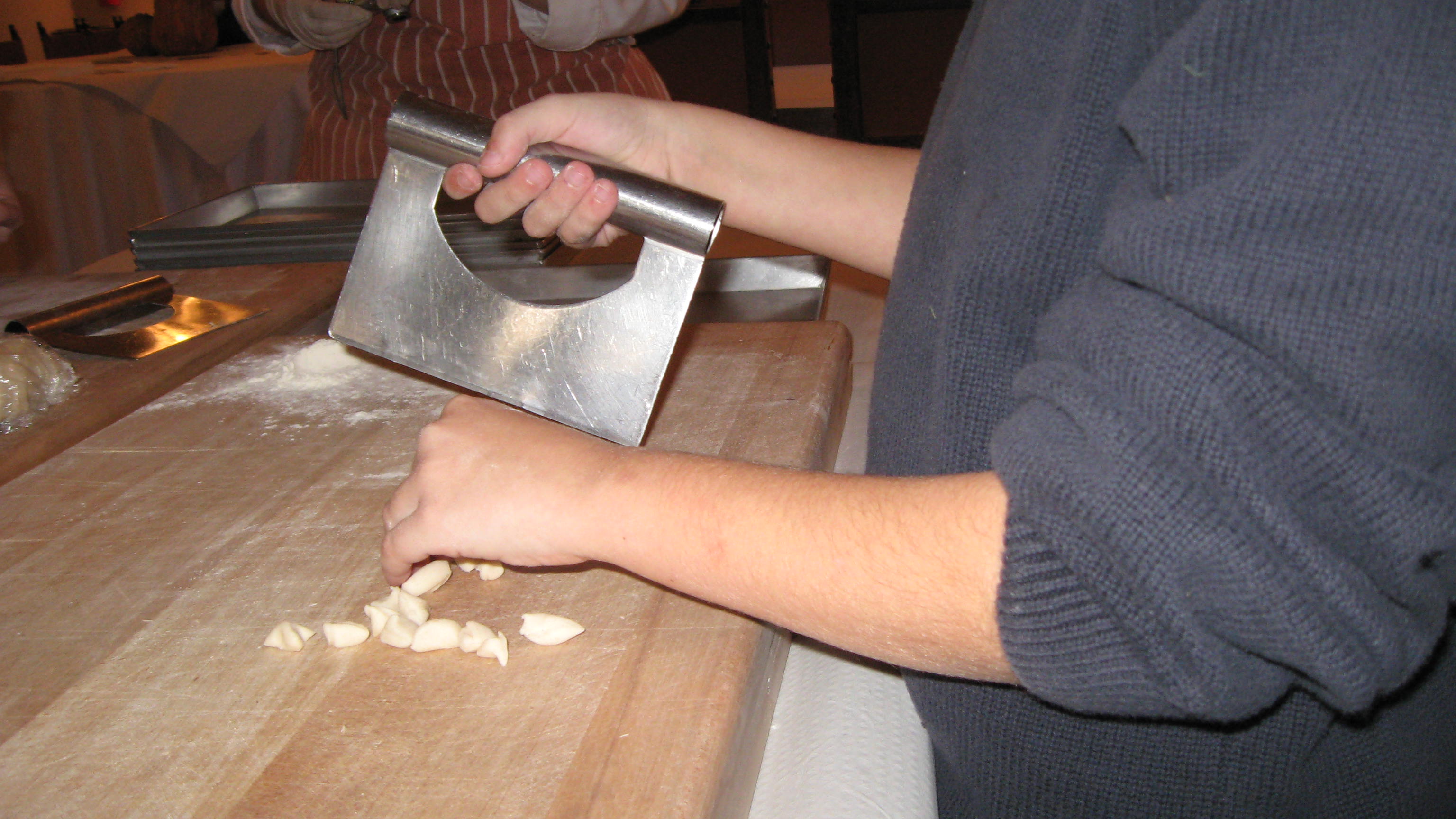
The 8-10-year-olds worked with the manual confidence of seasoned chefs.  Confidence, that is, not skill.  They rolled the dough into snakes as fast as that, then chopped the snake into bits with fast loud chops, and squashed those bits into bowls as big as clamshells and as small as fingernails, quick as they could, talking Star Wars and Legos all the while.

The result (of their efforts and of those of the kitchen staff) was delicious: tender pasta tossed with pork sausage, chopped braised kale, and just enough red pepper flakes.

This meal, including arugula salad and a semifreddo with tart orange granita, culminated in speeches by the presidents of Slow Food Italia and of Slow Food Roma, and with the presentation of a certificate recognizing the efforts of the Rome Sustainable Food Project, and naming the Academy a Terra Madre Community.

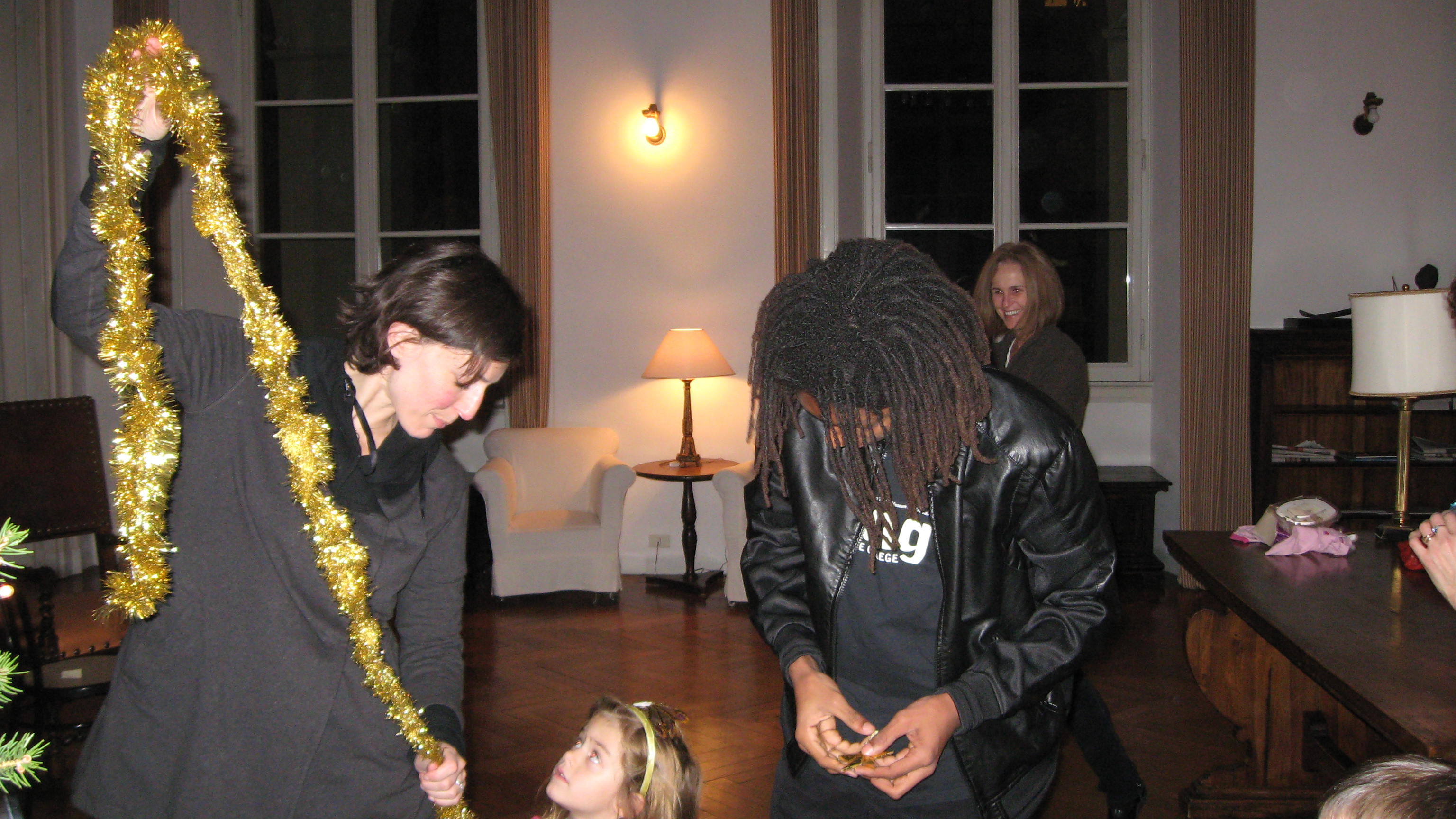
Then, we drank “after dinner drinks” and decorated the Christmas tree.

Read Full Post »

Last night, the RSFP kitchen did it again.  They had us swooning and stuffing our bellies and calling out for more.  This time, the dish was fish-n-chips.  One of the kitchen interns, Camilla, had been homesick for Scotland and this specialty, so she and the crew fried up a massive amount of fish and potatoes.

She began the meal by suggesting we end with whiskey, and by reciting a Robbie Burns blessing: ”Some hae meat and canna eat, And some wad eat that want it;
But we hae meat, and we can eat, And sae the Lord be thanket.”

Some in this crowd were so happy to eat good fried food, they went around scavenging from plates the kids had abandoned.  There was homemade tartar sauce and homemade ketchup, malt vinegar, and beer.  One friend said, “whatever we have to do to make this meal local and sustainable [the goals of the RSFP], so that we can have it all the time, let’s do it.  Put in a fish pond in the Bass Garden!”

And then, when we thought we couldn’t eat another bite, out came the toffee cake—the most moist decadently delicious burnt butter sweet sugar whipped cream confection imaginable.  (Camilla, will you give me the recipe?)

The couches in the salone soon became the meal recovery center.

Read Full Post »

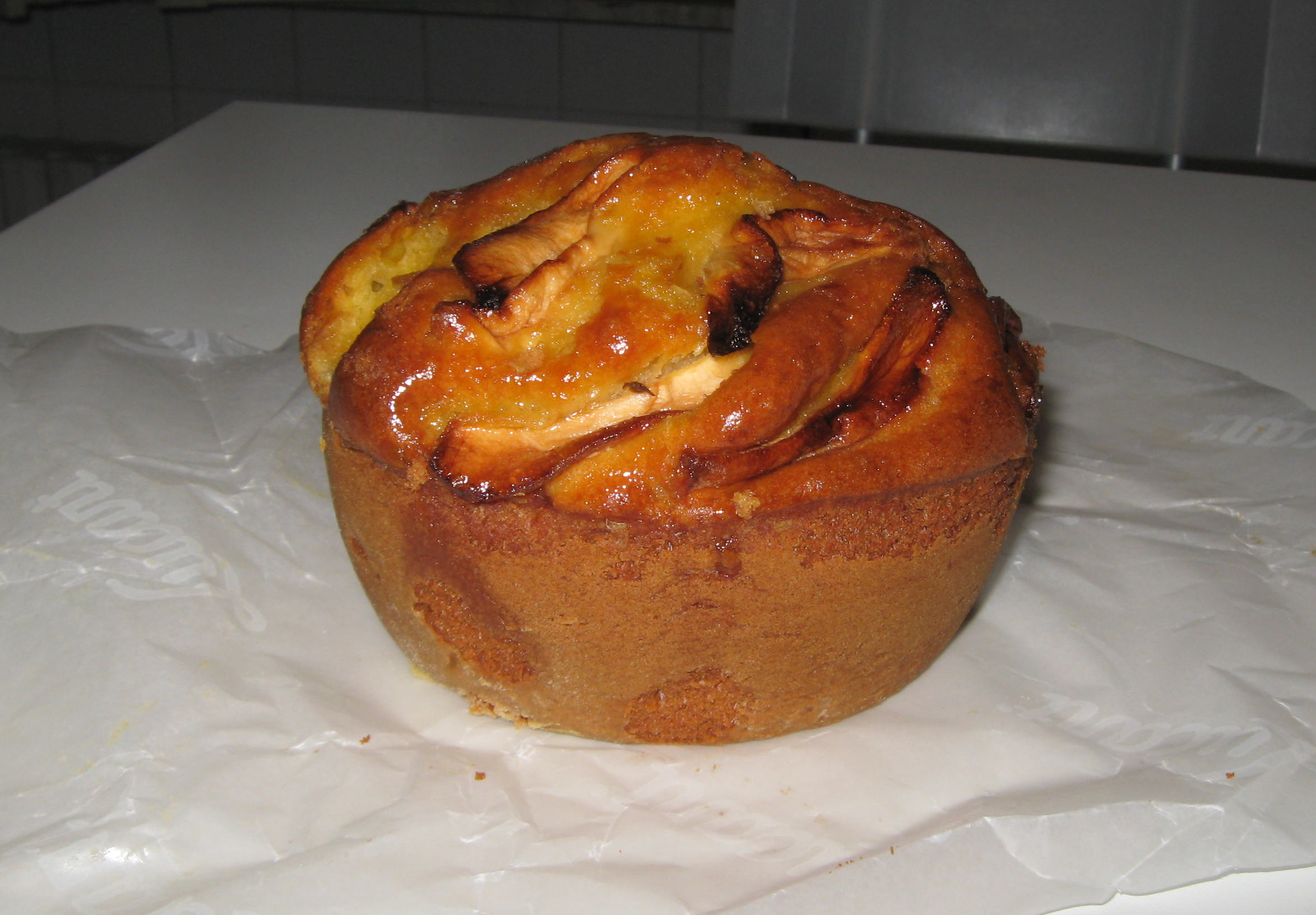
The forecast was for rain for the long Thanksgiving weekend, but each day, we had mist and then sun.  That was a nice turn of events, because we had lots of touring of Rome to do with our visitors.  Yesterday morning, I had to swear to everyone that I didn’t plan it this way, but en route to Piazza Navona and the Pantheon, we ended up walking by both Antica Caciari (where we bought fresh ricotta, fresh pesto, and fresh sausages) and Roscioli, my favorite forno (where we bought fig bread, hearty bread for dinner, and a torta di mele—apple cake—the last of which I’ve been wanting to buy since I first laid eyes on it).

Some other observations…

Sorry, this is gross and unappetizing, but interesting.  Don’t park where the starlings roost:

What would beauty be without shit?

Now, though, let’s turn to beauty.

Lion and pinecone: fierce, lordly, evergreen; pignoli, carne, regeneration, peace, power, teeth, needles, mane, shade.

Giant Bernini-designed river god, at ease in his musculature, reclining in the center of Piazza Navona:

The oculus:

Another, humbler, dome:

Mmmm… so moist and appley.

Read Full Post »

No.  I’m not talking about that mystery conglomeration “corn dog” that masquerades as meat, but meatballs, served cocktail-catering-style on little wooden skewers.  We took Jack to a cocktail reception last night, and his favorite items were the polpetti, or, meat lollipops.  (My favorite was the split date posing as a dish for gorgonzola and a walnut quarter.)

The reception, here at the Academy, was for the new American ambassador to Italy, David Thorne.  Alice Waters was also there, having come from a big Slow Food event, and planning to stay in Rome through Thanksgiving.  I think you can guess which dignitary I was most excited about meeting.

This morning, Jack said, “Mommy, can you make polpetti?”  Yes! And you can help!  So, after dropping him off at school, I stopped at the Super Carni—a little butcher’s shop owned by a grandparently couple, which sells lots of organic products—and asked for “del bovino per polpetti.”  Probably not very correct, but he understood.  Remember how I mentioned that Italians are always, in a tacit and politely bossy way, telling you the proper way to do things?  Well, I had asked for beef, but after half-picking up a piece of beef, he set it down and reached instead for the chunks of veal, which he then put through the old-fashioned meat grinder twice, making sure the texture was to his satisfaction.  I love the immediacy of this operation.

And of this one:

For the recipe, check out this post.

Read Full Post »

We’re so coddled here, with the wonderful food prepared for and served to us at the Academy.  So it was with real satisfaction last night that I prepared a meal requiring what felt like authentic labor: beheading fish and whisking for a good half hour.

The meal was utterly simple, and maybe that’s why it was so much fun to make.  I started in the morning at the open air market on Via Nicolini, where I bought a pile of fresh sardines.  The fishmonger threw in a handful of parsley too, which is one of the nice gestures these Roman vendors always make.  It’s both generous and bossy of them: “here, have some herbs” and “if you’re going to cook that, you really should have this.”  (This attitude actually seems to be a regional—or even national—trait.)  I bought lemons at another stall, mixed chicories at another, some apples, brocoletti, and then some pizza bianca at Pasticceria Beti.

Here are the fish, before their “dressing”:

There are a few ways to prepare sardines—going from minimally to maximally meticulous.  I chose the middle road.  The minimal would be just to clean the scales off and cook them whole.  The most thorough would be to cut the heads off, clean the guts out, and bone them before cooking.  The middle way, which Robinson Crusoe would have advised, is to break the heads off with your hands; the attached guts follow; and the boning is easier to do when the fish are cooked anyway.

Sardines are very nutritious, as they are rich in omega-3 fatty acids and low in the mercury and other contaminants that settle in the big fish higher up on the food chain. They are very high in selenium and vitamin B12 and high in calcium, niacin, and phosphorus.  Are these good reasons to feel virtuous even when you fry them in butter?

After a good descaling rinse, they’re ready to be dredged in salted flour and fried up in a mixture of butter and olive oil, at high heat.

Before doing that though, I made the aioli with a whisk—and with the assistance of Junior Wells’s Hoo Doo Man Blues, prosecco, and Peter.  I followed Alice Waters’s recipe from The Art of Simple Food.  Start with garlic and a pinch of salt mashed with a mortar-and-pestle; add a 1/4 tsp. of water and an egg yolk. Starting drop by drop, whisk in 1 c. extra virgin olive oil. (When you’re not working with the help of electricity, this takes a good long time.)

The resulting meal was simple, cheap, yummy, and fun.

Read Full Post »

In my last post, I attempted both to recommend Food Inc., and to criticize what I saw as the overly facile closing message (“vote with your fork”).  There was more to the event, here at the American Academy in Rome, and there is a positive alternative to the dark suggestion of the film that Monsanto may well take over the world.  Briefly, these follow-ups/upsides have to do with braised pork and grass-roots.

Let’s start with grass-roots.  Since the screening, I’ve talked with a lot of people about how depressing the film is.  It seems to offer only the meager solutions of “voting with your fork” and waiting for policy change to adjust the prices of food.  Obviously, more needs to be done and can be done.  One of the people I’ve talked with a lot about these issues is Mona Talbott, the executive chef here.  She is passionate not only about great cooking but also about reforming American food culture through cooking education.  An over-reliance on convenient but unhealthy fast-food is in part a consequence of a general lack of cooking skills and knowledge.  Another part of the problem is the misconception that fast food is cheaper than home-cooked food.  This doesn’t have to be the case.  The Rome Sustainable Food Project works on a tight budget to provide nutritious, delicious, and sufficient food for all of us.  Mona points out that the world’s oldest traditional diets, like that in Italy, have had such long histories of sustaining people in part because they can sustain—with complete nutrition—the most people.  In other words, traditional diets are complete, and they are poor people’s diets.  The basis of the Italian diet is the lowly triumvirate of beans, grains, and greens.  These are affordable. Pasta is cheap.  The cheapest cuts of meat are delicious when cooked slowly.

But cooking, which often isn’t learned in the family anymore, needs to be learned if families are to be fed on these inexpensive foods rather than on fast food.  Actually, many people don’t know anything about food anymore, much less cooking!  If you take a look at my friend Sharyn’s comment on my last post, you’ll see what I’m talking about. She teaches in a university, and her students don’t know about the seasonality of any foods.

Several things need to, and can, happen, with a grass-roots effort. More communities can take on the reform of school lunch on their own, and even put in edible schoolyards (playground gardens) and teaching kitchens.  Children, then, can teach their parents about seasonality and cooking.  Or they can learn about food and cooking by asking their grandparents, as their doing with the help of Bioversity’s campaign Diversity for Life.  Cooking schools can teach home cooking.  Institutional kitchens—like the one here, with its unpaid interns—can double as educational kitchens.   Old routines, like canning parties, can be revived.  (Mona mentioned this today, and you might recall one of my recent posts about the biodiversity scientist I met recently, Stephan, who has fond memories of tomato-canning parties in a neighbor’s garage.)  Children can be taught the basics of cooking, and along with those, the comforts and thrills of cooking, by being included in the process of growing and making food.  With the encouragement of children and community-based campaigns, working parents can be convinced to plan ahead and find the time to put together a healthy meal—even if it’s just rice, beans, and something green.

Mona, who has cooked for the best restaurants and wealthiest people, wants to devote herself to this grass-roots cooking re-education effort when her tenure as the head of the Rome Sustainable Food Project ends.  She’s a real inspiration.

*        *        *        *        *        *        *

Immediately after the film screening on Saturday, we participated in a panel discussion with two of the farmers who sell their organic foods to the Rome Sustainable Food Project: Enzo Foi, who came with Filippo da Sole, from the farm and agriturismo destination Lo Spicchio; and Giuseppe Brandizzi, from the organic dairy Biola.  The audience had many questions about organic agriculture (agricoltura biologica) in Italy, food politics in Italy, and the differences between the U.S. and Italy on these matters. Enzo told us, without the wish to romanticize Italy for the mostly American audience, that the main difference between the U.S. and Italy, in terms of industrial agriculture, is scale.  Here, as in the U.S., there is a large industrial-farm lobby that shapes the politics; synthetic pesticides, herbicides, and fertilizers are used (although the European Union has outlawed GMOs and rBST); small-scale farmers are going out of business.  But, also as in the U.S., there is a movement to expand sustainable agriculture, and to encourage buying locally produced food, and some politicians are helping to promote these causes.  (There are, of course, differences.  Italians know how to eat and have a culture of food, for one!)

More important than the help of politicians, though, is the grass-roots movement exemplified by these men and their families, who are educators and cooks as much as they are farmers.  They farm and cook and eat the way they do because they want to preserve the land, foods, and traditions that have sustained people for centuries and that could—if not cared for—be lost to oblivion.  If you’ve seen Food Inc., consider the proud strut of this rooster compared to the falling-down factory chickens:

Lo Spicchio gallo

After the film and discussion—and in spite of the revolting images of factory farming we’d just seen—we all eagerly went upstairs to the dining room to eat a meal prepared with the ingredients from Enzo’s and Giuseppe’s (and a few others’) farms.  We ate Lo Spicchio pork braised in Biola’s whole raw milk; cardoons roasted with lemon and buttery breadcrumbs; polenta; local red wine; and the most flavorful “blondies” I can imagine. (We eat a lot of braised meat here, in part because Mona and Chris like to cook the whole, traditional, foods of everyday Italians.  The braising cuts are the cheapest cuts.  The other night, Chris and the interns cooked up an amazing meal of braised lamb with harissa, chickpeas with greens, and cous cous.  Simple. Complete. Delicious.)

Read Full Post »

I’ve been thinking about these a lot, lately, because of the work I’ve been doing for Bioversity.  And because of the food I’ve been eating here in Rome.  Farro four times a week? And cauliflower, I have to admit, has been an underutilized species in my household, if not in general—until this fall.

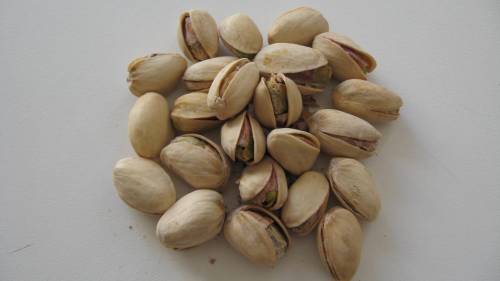
I’ve written about farro, and I’ll write about some others in the future, but right now, I’m thinking about one NUS in particular which I was surprised to see on the list: pistachios (in Italy)!

IMG_2748

What about pistachio gelato?  And those gorgeous green cakes we saw in Venice?

IMG_2500

Most of those pistachios come from Iran.  The word pistachio derives originally from the Aramaic word pistaqa (rendered phonetically), and Iran is still the leader leader in pistachio production and exportation. According to the International Society for Horticultural Science, “in 2003, Iran as the most important pistachio exporter and USA as the second exporter [had] a share of 69% and 8.9% respectively in the world exports.”

Bioversity, an organization in Italy dedicated to researching and educating about agricultural biodiversity, and to revitalizing neglected and underutilized species, led a campaign starting in 1993 to conserve and promote the production of pistachios (and arugula, oregano and hulled wheats) in Italy.  NUS are important as we think about the future of agriculture because of their ability to grow in climates other, perhaps higher yeilding, crops will not—for example the hot, arid climate of southern Italy.

Pistachios are a good source of protein, fat, fiber, vitamin B6 and thiamine.  They also make a delicious snack, especially when salted!

The most pistachioish gelato I’ve ever tasted was made at Il Gelatone in Venice.  Mmm!  I hope the pistachios didn’t come from one of the most repressive regimes in the world….

IMG_2663


Read Full Post »

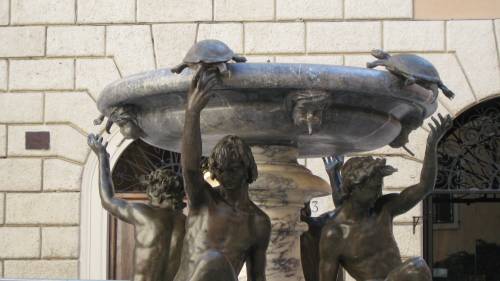
Another winding walk today—this time down the stairs rather than up to the park.  I had a few various goals: to see the turtle fountain Jim Ackerman told us about the other night; to buy some whole-grain flour and some nuts at Canestro; to see some new narrow streets; and, if possible, to find chocolate chips for cookies.

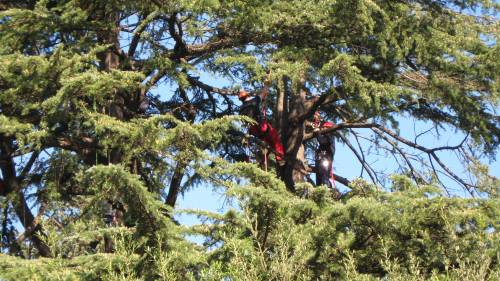
When I stepped out onto Via Angelo Masina, our street, I saw a bunch of men way up high in the trees.  It was a tree-trimming class!  (Later, all fifteen or so of them were packed into the little Academy bar smelling of beer and sweat and sap—quite a different crowd from the usual.)

IMG_2751

I walked the now-familiar route down the two sets of steps to Trastevere, and then across Ponte Garibaldi and off to the right, into the Ghetto.  I found the turtle fountain—a beautiful, delicate image of humans helping animals—or doing something balletic with them, anyway.

IMG_2754


Here was a little, covered-over door.  Why was it made so small?

IMG_2756

There are mysteries here in this city.  Often, there are explanations, but often, those explanations present more mysteries, or at least curiosities.

I never found any chocolate chips—after looking and asking in four stores!

Read Full Post »

« Newer Posts - Older Posts »